In Memory of Ramón Arbujas
In July and August of 2000 I was fortunate to spend time in Venezuela, traveling through the west and west-central regions. I have a much larger write-up of the full trip in progress but today I want to focus on one of the people I was fortunate to meet and spend some time with, who made this portion of the trip so memorable even after 25 years.
When we think of the wild west in America, we think of the southwest: Texas, Oklahoma, and New Mexico, with vast stretches of rugged land full of cattle and cowboys. In Venezuela, this region is known by the Spanish name, Los Llanos, the expansive plains which extend across multiple states in roughly the middle third of the country. The geography is quite similar to its US counterpart. There are flat-topped mesas, tepuis in the local native tongue of the Pemon peoples, which resemble the mesas many of us are familiar with.
This is the land of Ramón Arbujas, a llanero born in Apure state in this region in 1928 and who spent his entire life working and guiding others around it.
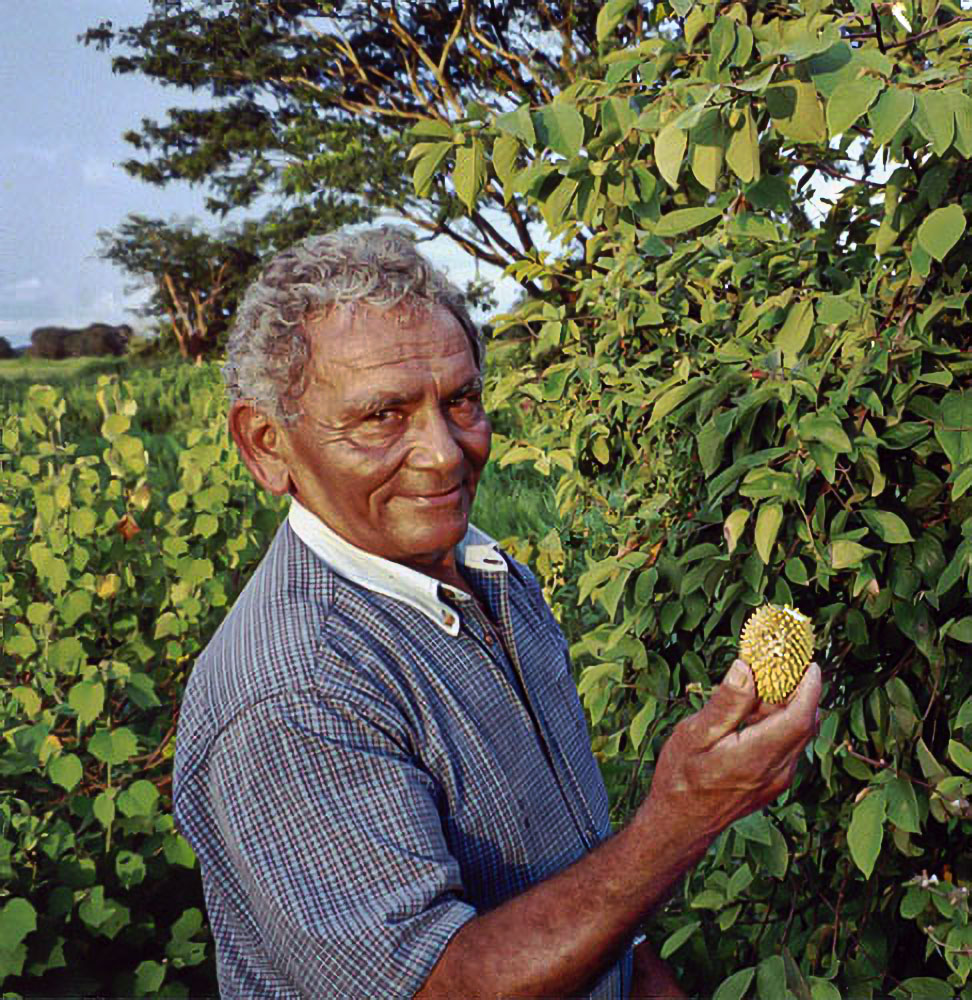
Summer 2000
For part of my trip to Venezuela, my friends and native countrymen, Hebert, and his wife, Daris, and myself, spent some time on a former cattle ranch in los llanos. The ranch is called Hato El Cedral. Up until the 1980s it was part of the large King Ranch enterprise but was sold and converted to an eco-tourism ranch long before my arrival. It was a working ranch with around twenty thousand head of cattle but it played host to a plethora of other wildlife that made it a paradise for nature lovers1.
The Orinoco River exits the mountainous Amazonas region and flows into los llanos, which covers about a third of Venezuela’s land mass. It was the end of July 2000 and the rainy season had caused the Orinoco—some 170 miles to the east—and its tributaries to overflow. This happens seasonally, so it was by no means a surprise. The monsoon rains are known to increase the height of the Orinoco River by 40 feet. We timed our trip for this purpose. Almost half of the ranch’s 131,000 acres become swamp land, accessible only by flat-bottom boats powered by massive fans. This marks one big difference between the savanna vegetation of los llanos versus the dryer scrub brush and cacti of the American southwest.
This region plays host to some 294 bird species including storks, ospreys, Orinoco geese, green swallows, yellow-headed parrots, Amazon kingfishers, and scarlet ibis (my personal favorite). In addition, one can find anteaters, anacondas, pirañas, orinoco crocodiles and caiman (baba in the local language), 12,000 approximately; and around 13,000 capybaras (chigüire), the world’s largest and most adorable rodent. We spent several glorious days on this ranch, enjoying its air-conditioned cabañas at night and going on 3–4 hours long excursions during the mornings and afternoons.
The afternoon of our arrival we checked in and dropped our things off in our rooms. I walked around, camera in hand. I headed over to a pond, which I soon learned was one of the flooded swamp patches, and noticed a set of four deer legs sticking straight up out of the water. The camp host, a young Venezuelan man named Lebsky Zamora, fresh out of college with a degree in hospitality, came up to me and gave me the low-down. The water draws a lot of the surrounding animals to drink. The deer was one such animal but was spotted by a submerged caiman who pounced, grabbed it by the neck, and pulled it underwater in a death spiral until it drowned. This occurred on the morning the day before our arrival. It would sit like this for another day before the caiman grew hungry enough to eat it.
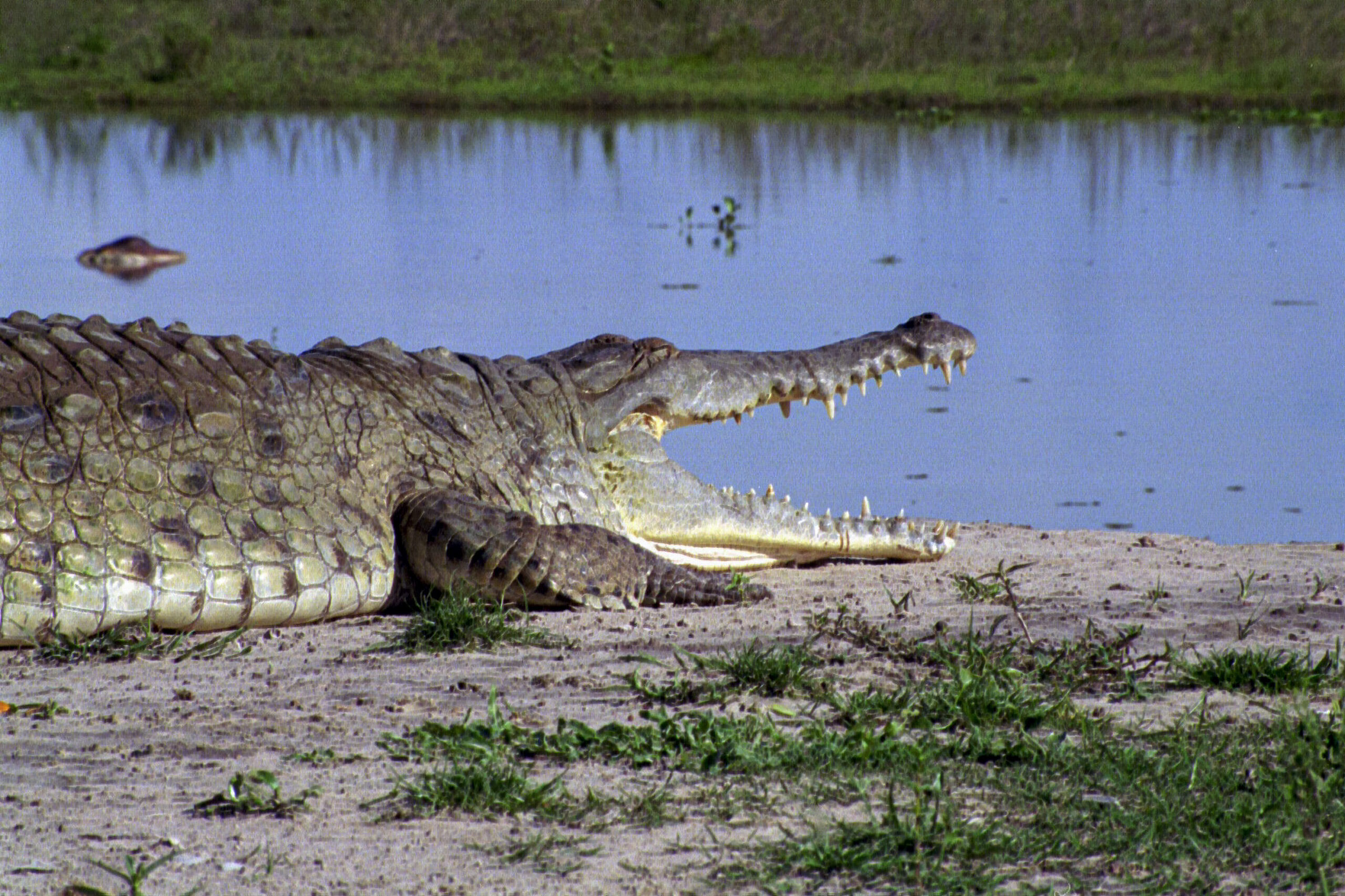
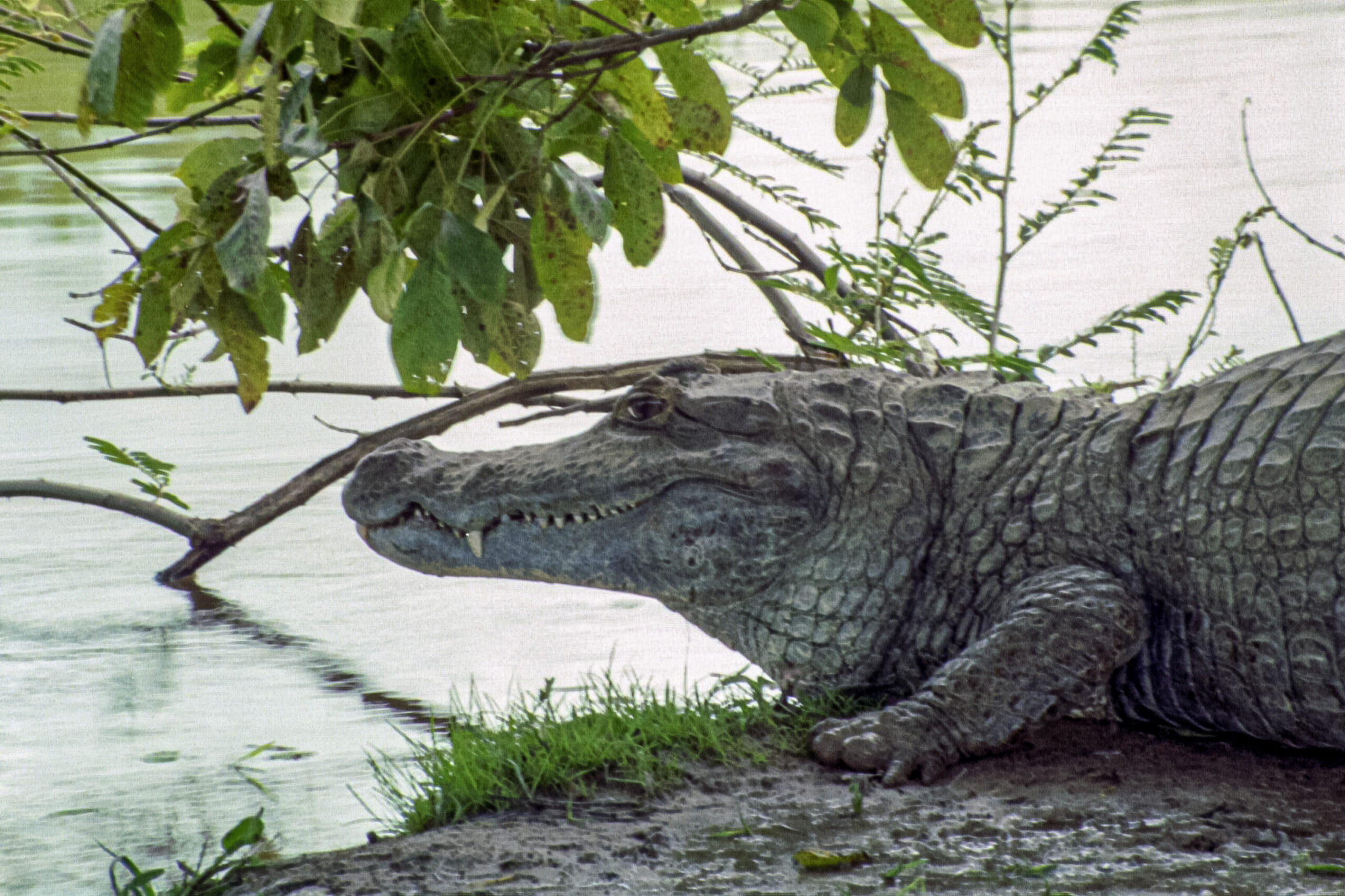
(Caiman crocodilus)
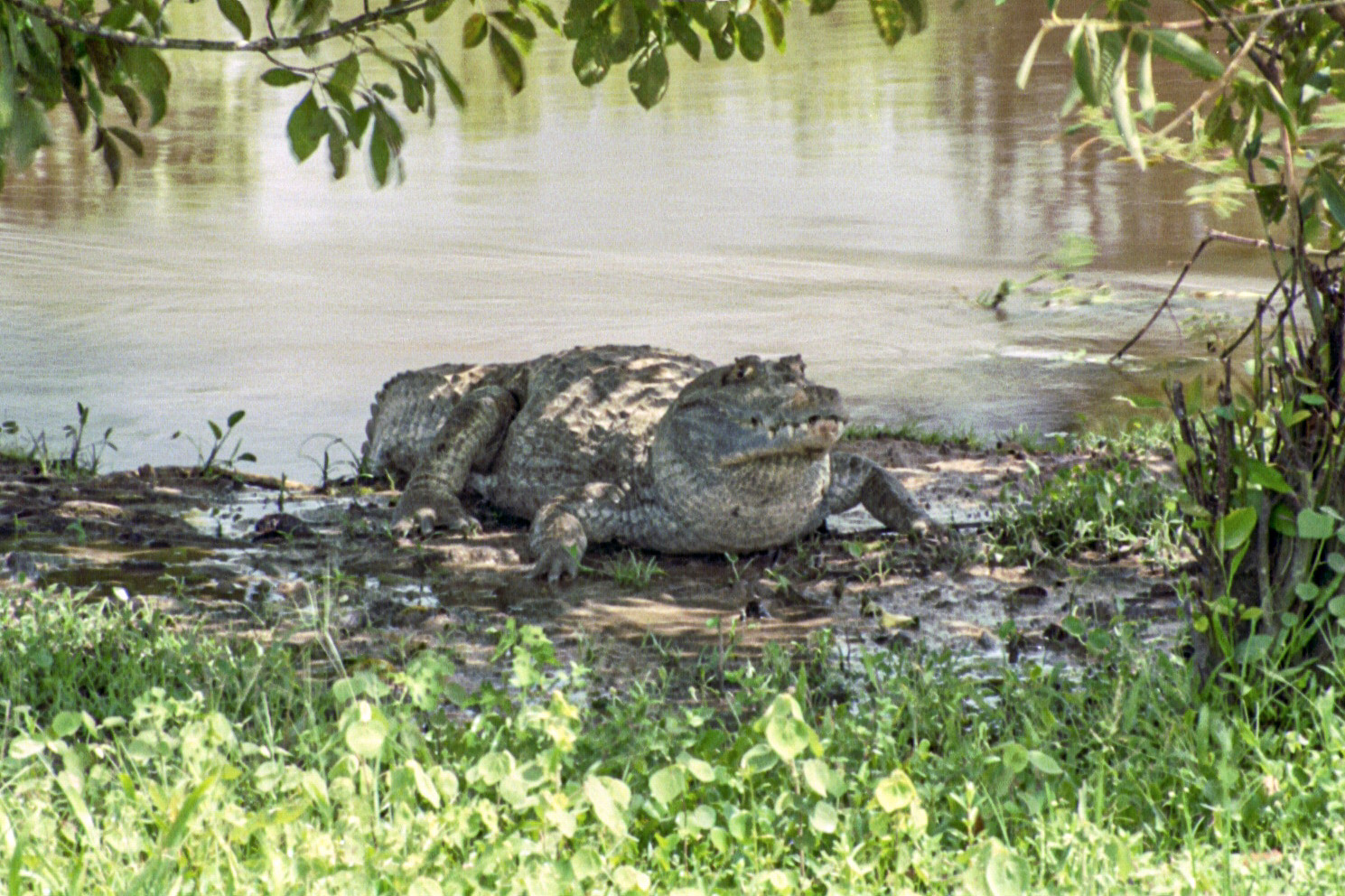
(Caiman crocodilus)
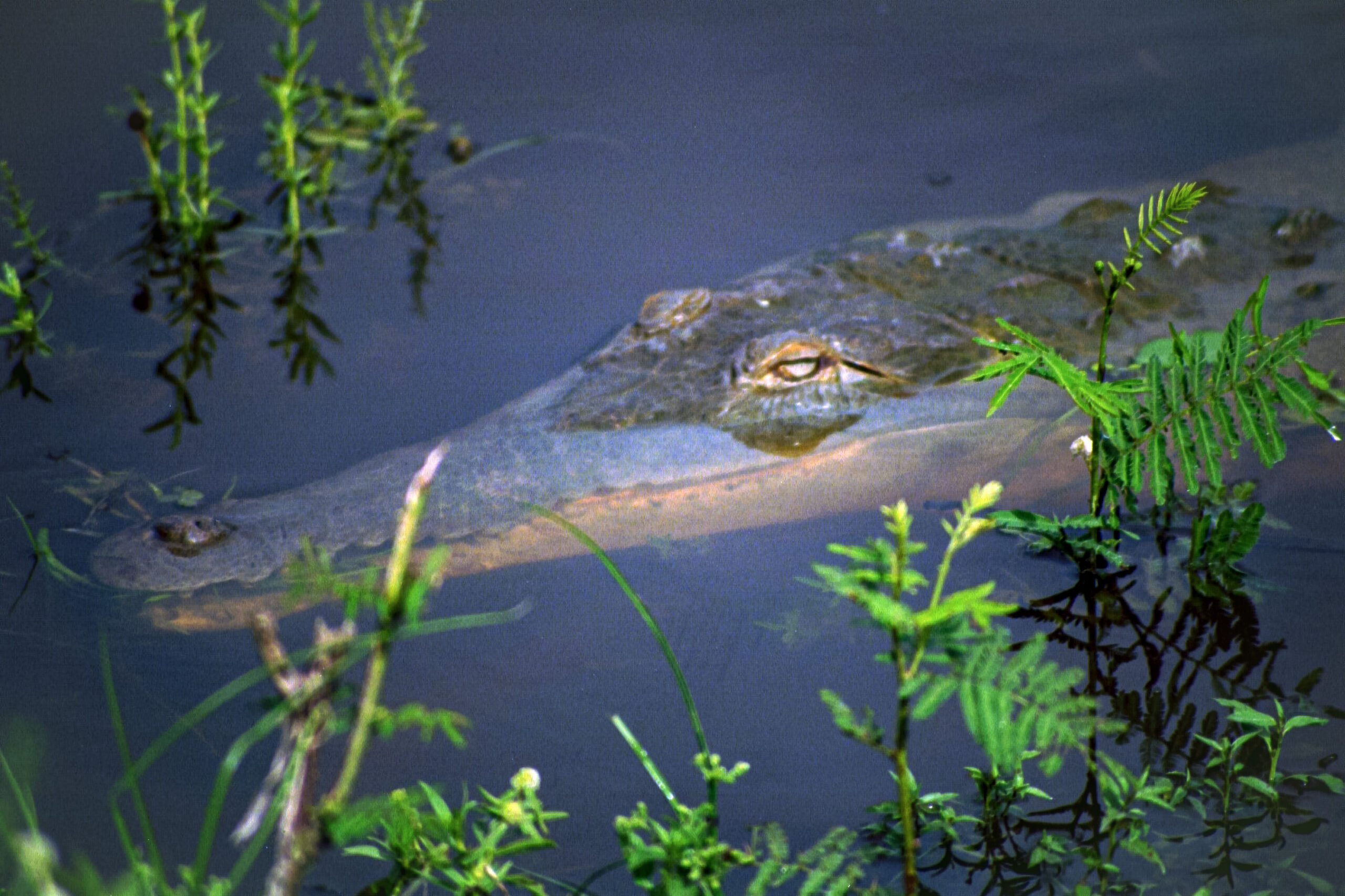
Crocodylus intermedius
Chigüire (capybaras) were everywhere to be found. These adorable rodents behave as dogs, barking loudly whenever danger is sensed. However, they are semi-aquatic mammals, hanging out in the water all day long. It’s not uncommon to see birds perched atop their heads, picking out flies and other insects. You would think that with the alligator and crocodile infested waters that they would be less inclined to soak all day long as they do, but there is a surprisingly peaceful coexistence between the capybaras and the predator reptiles. The exception being when, say, an alligator is on the hunt for a deer or other animal near the water and then they will quickly move out of the path of destruction. To see more of the wildlife, we boarded a modified truck with a cage-like observation platform attached to the rear. Our guides would drive us off into the wilderness, pointing out anything interesting along the way.
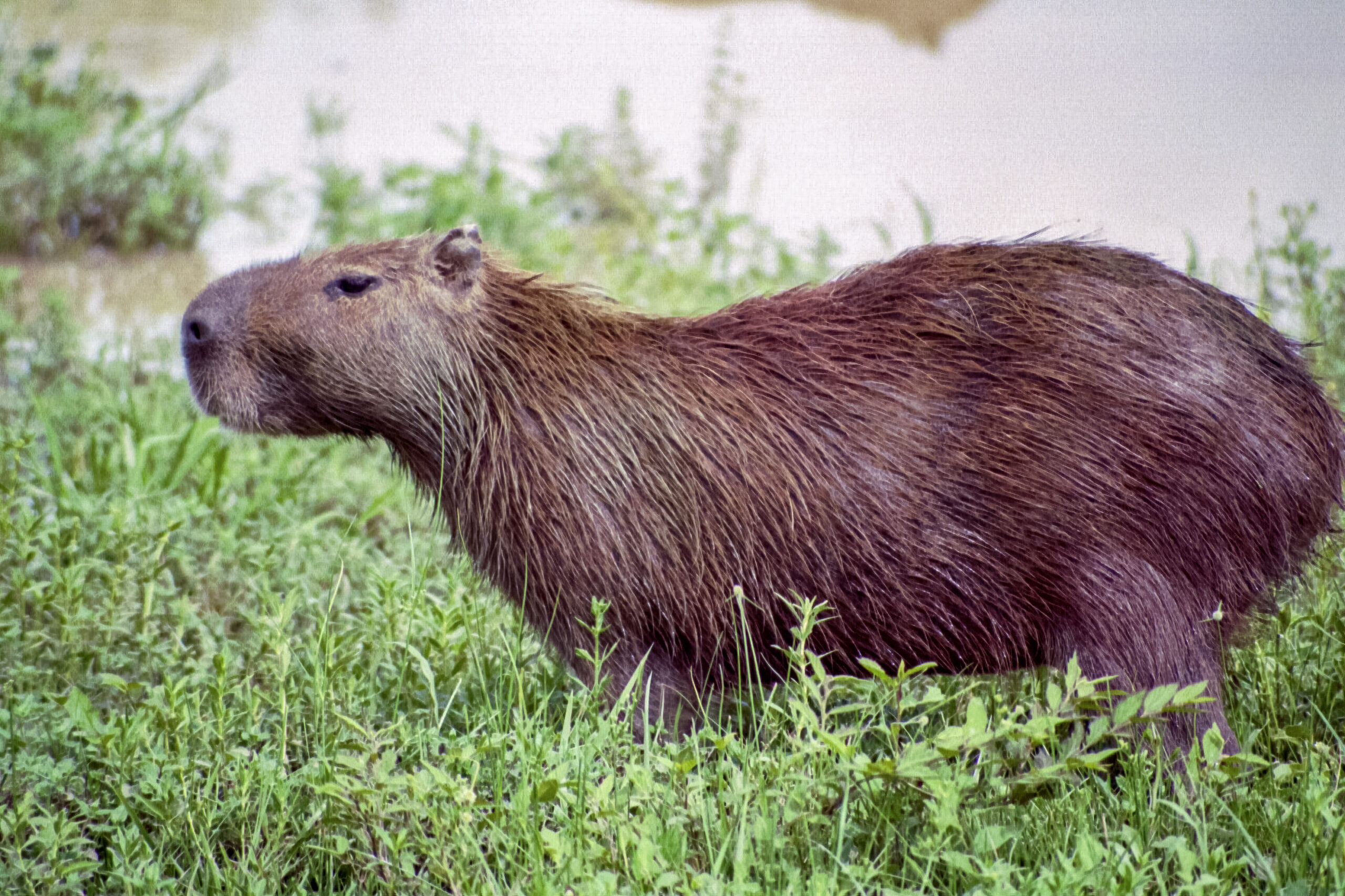
Hydrochaeris hydrochaeris
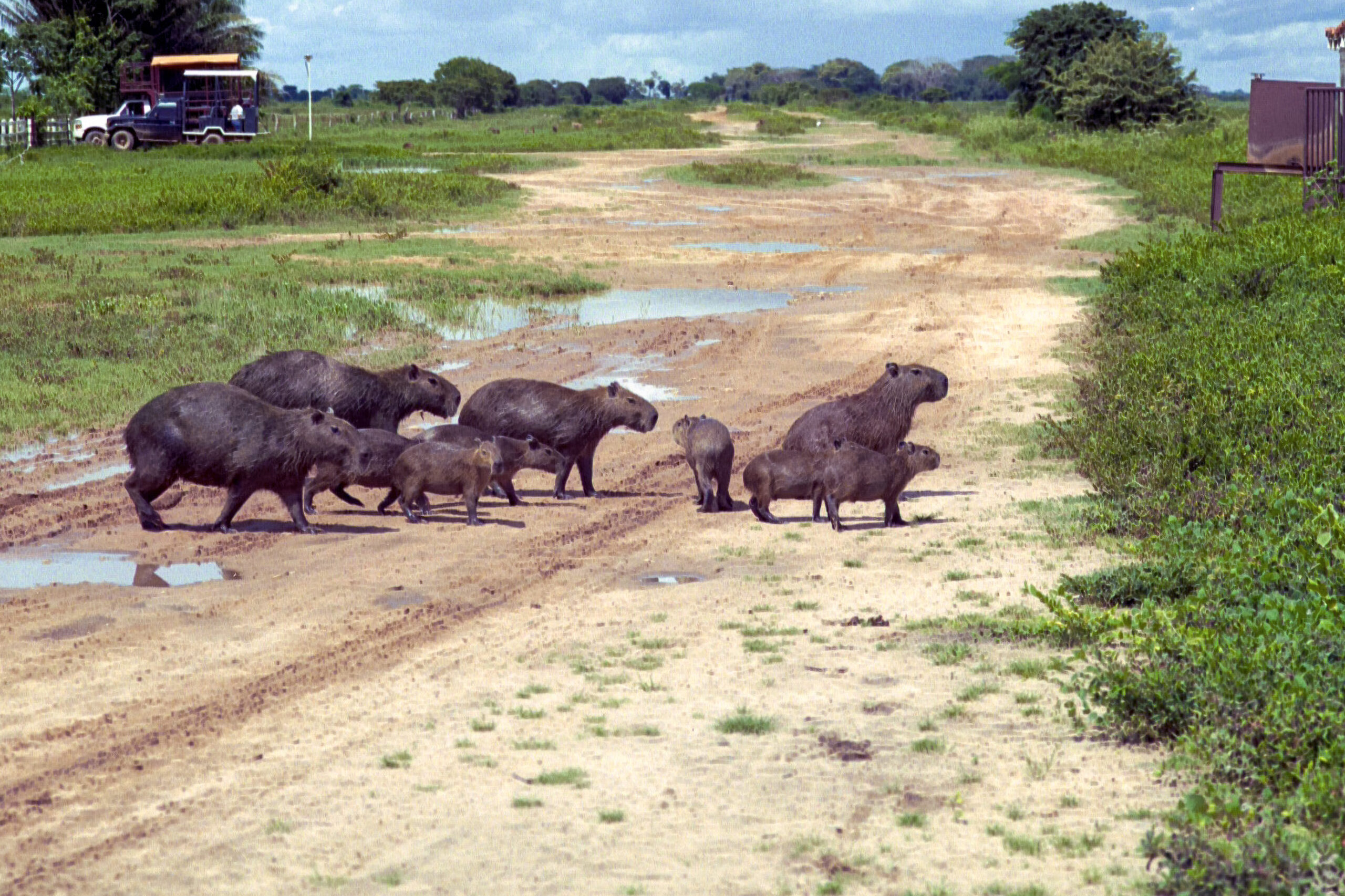
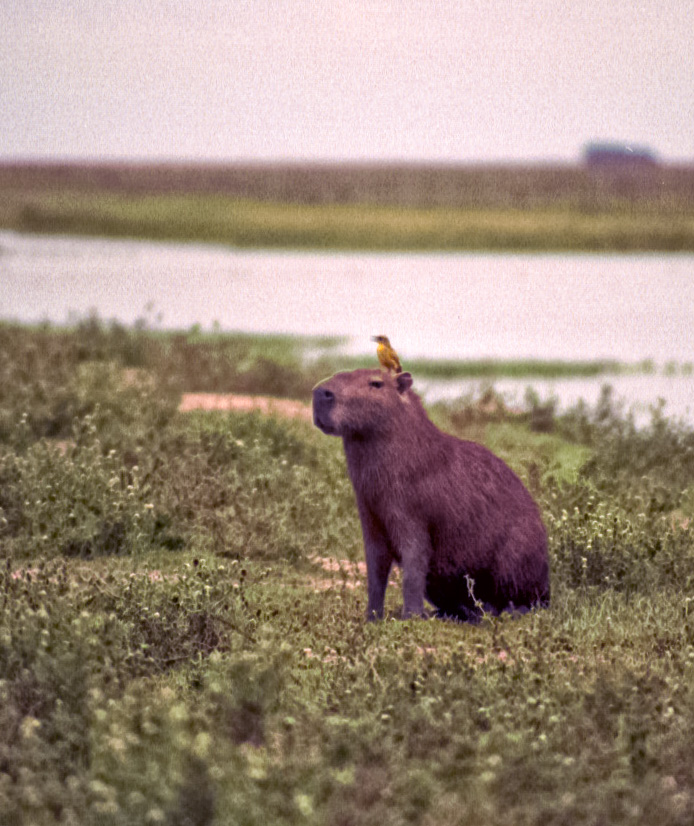
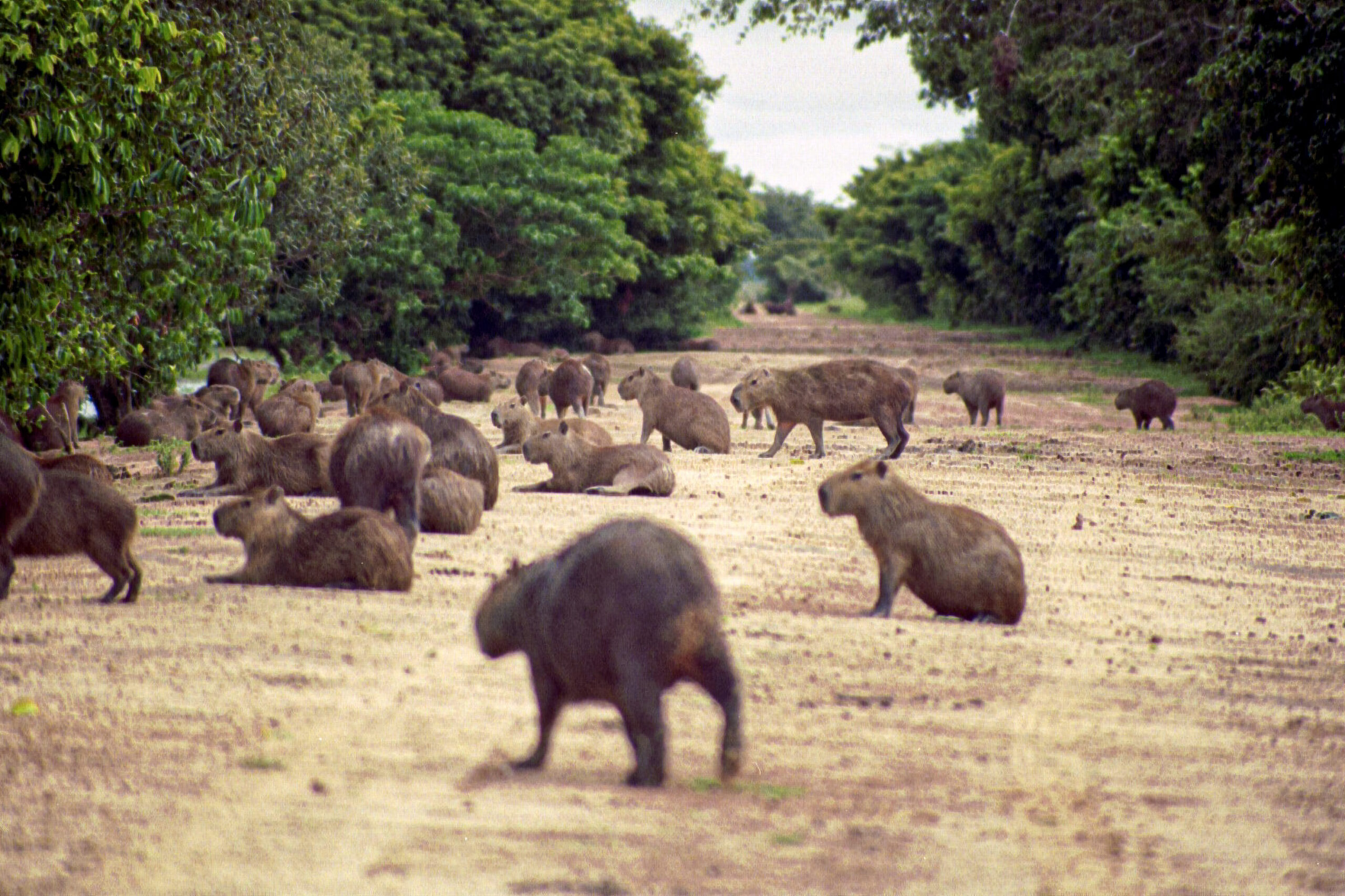
To see more of the wildlife, we boarded a modified truck with a cage-like observation platform attached to the rear. Our guides would drive us off into the wilderness, pointing out anything interesting along the way.
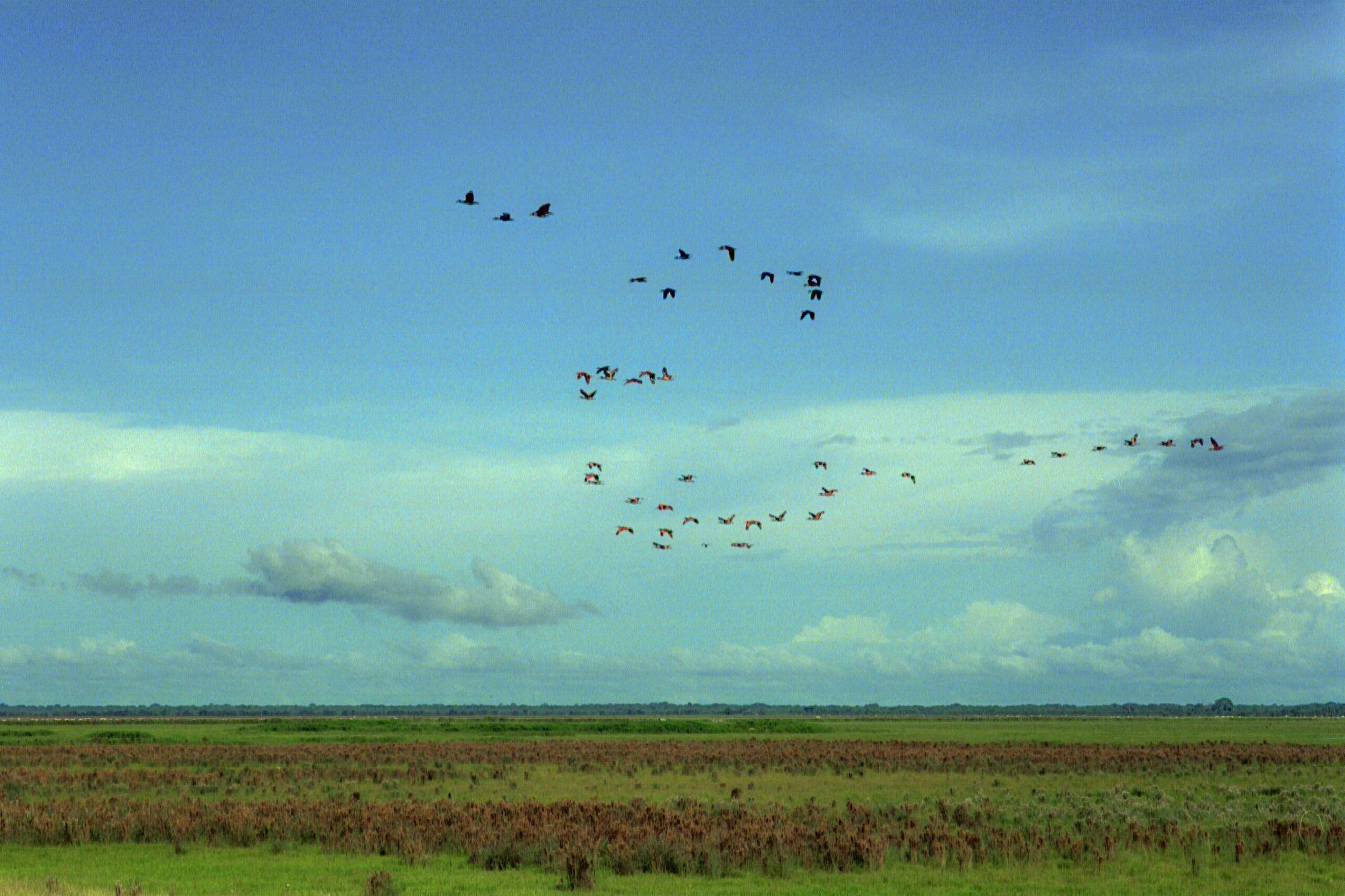
A beloved short story that I remember from my youth is “The Scarlet Ibis” by James Hurst2. It’s a sad and traumatic story, but one which made me ride my bicycle all the way to the local library to look up what an actual scarlet ibis looks like. From that day onward I had made it a goal to see one in the wild. Hato El Cedral did not disappoint. On one of our excursions, we saw an entire massive flock of them on the water, and suddenly they took off en masse in flight. It was magnificent.
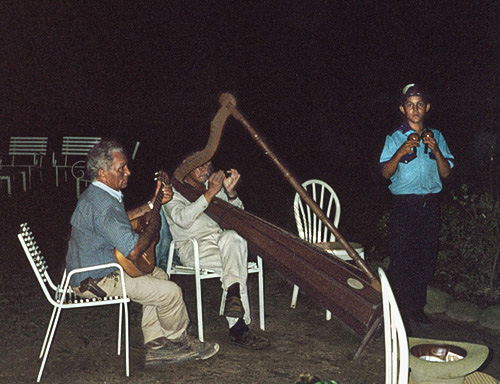
Ramón was one of the ranch hands at Hato El Cedral and he had worked in that position longer than I had been alive. In addition to his main ranch duties he played host to us tourists on these excursions. He took us bird watching, anaconda tracking, and out on the boats for piraña fishing. In the evening he played the cuatro, a four-stringed guitar, and sang lead vocals in a popular style of Venezuelan folk music known as joropo.
Piraña fishing was a hoot, especially for someone like me who had only ever fished angler-style, using a traditional rod and reel. For piraña you simply use chunks of chicken draped on thick hooks attached to a hand line. There’s no need for poles nor reels. We twirled the hook and bait above our heads and released it into the water, lasso style. The water bubbles and the meat is stripped away within seconds if you don’t pull back with a jerk fast enough to snag one of the them. We easily caught enough fish in just under an hour to feed the rest of the camp that night. During this fishing frenzy there was little time for chatting but he did manage to show us scars on his legs and his arms from previous piraña nips as well as baba and anaconda bites.
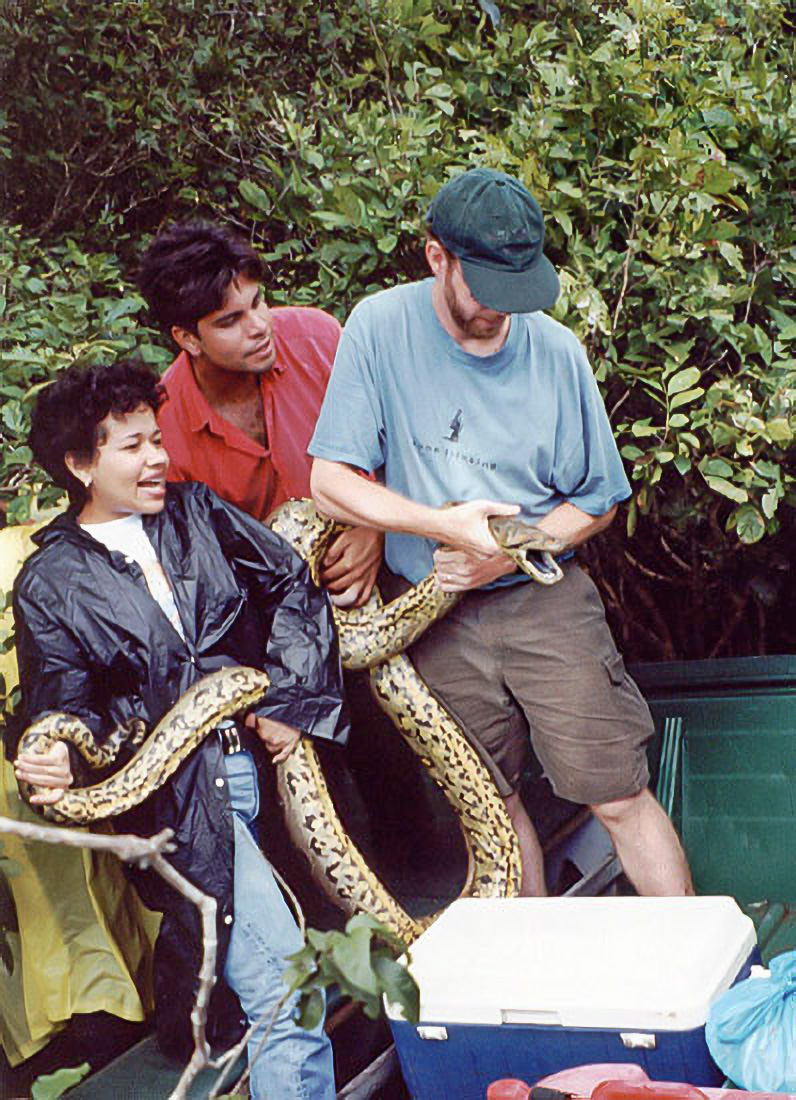
On the same fishing outing we spotted an anaconda at the base of a bridge pylon on our way back to the camp. We stopped and disturbed the poor snake to check to see whether she was tagged (she was) and to record the tag number in a log used by the conservationists associated with the ranch. Ramón had some advice for us in this endeavor. “Si te muerden, no te retires demasiado rápido.” (“If they bite you, don’t pull back too quickly.”) Snake fangs curve and are angled inwards, and by rapidly jerking your hand, arm, or leg to try and free it, you actually make things worse. Wait for the snake to relax just before it tries to get a better grip and then pull yourself free.
The last thing I remember about Ramón was a quote I wrote down in my journal at the time, with some help from my friend Hebert, since I didn’t yet speak Spanish. In the summer of 2000, Ramón was 72 and had never lived anywhere else in his life. He had asked me where I lived, and I named the places I had lived in the USA up to then. I asked him if he had ever wished to live elsewhere, or visit the USA. His response was, “No puedo imaginar otra vida… Ni siquiera puedo ir al pueblo más cercano sin sentirme solo por esto.” (“I cannot imagine another life nor can I even go to another town without missing all of this.”)
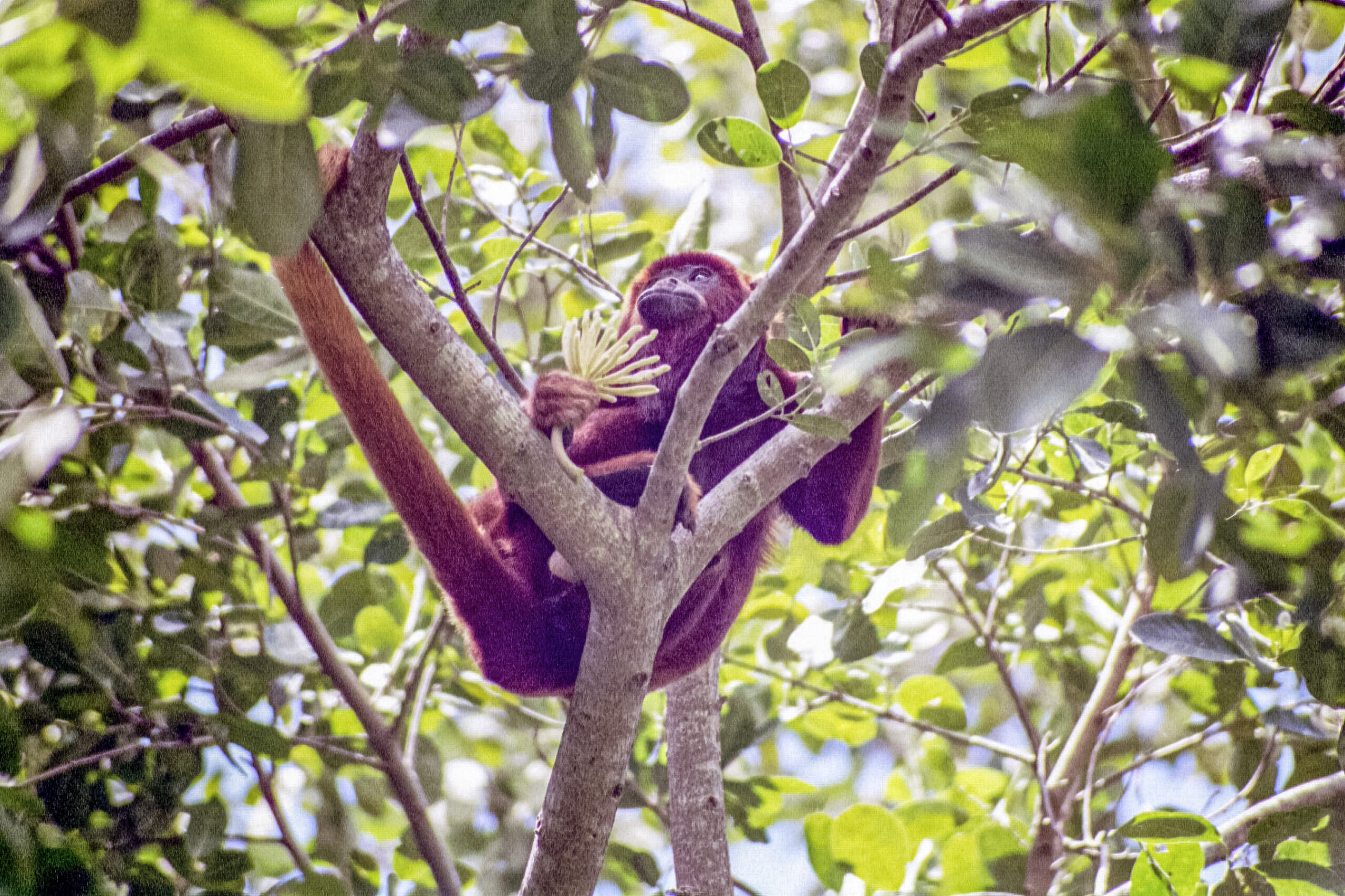
Ramón Arbujas continued to work the land until he became too frail and had to move to a nursing home in the closest nearby town, where he passed away sometime around 2013. In that year, they dedicated a special reading room in the main house to his memory, full of photos and stories about him and the land he loved to show others.
Ramón is credited in a few research publications, which I have listed here for those wishing to learn more about the diverse fauna of the llanos region and to get a feel for his contributions to his homeland.
- Ascanio-Echeverria, D. & Davis Jr., W.E. (2000). “Notes on the Habitat, Behavior and Vocalizations of Zigzag Herons in Venezuela.” Waterbirds: The International Journal of Waterbird Biology,23(3),521–523.
- Rivas, J. A. (2020) Anaconda: the secret life of the world’s largest snake. Oxford University Press.
- Ascanio, D., Rodriguez, G. & Restall, R. Birds of Venezuela. Bloomsbury Books.
Lastly, here is a modern YouTuber’s visit to Hato El Cedral in 2024 showing that it is still quite a wonderful eco-tourist destination. The Ramón Arbujas Room is featured in the video. Lebsky Zamora now runs his own tourism company where he takes people all over Venezuela. His Instagram account is full of beautiful photos and stories.
- In 2008, the dictator Hugo Chavez launched a massive socialist takeover of such ranches throughout the country. His “centro de producción ganadero socialista” involved taking over Hato El Cedral and converting it into a farm for growing rice and sourgum among other crops. It is still an animal sanctuary and offers similar tours to what I describe here but the upkeep on the tourist facilities has been minimal and as recently as 2015 were described as rudimentary. However, a recent YouTube video prominently features Hato El Cedral and it seems to be thriving well as an eco-tourist destination today. ↩
- https://www.tnellen.com/westside/stories/ibis.html ↩


Recent Comments